2026 is about working smarter, not harder. This year requires fresh thinking, better systems, and stronger partnerships. Let’s break down what’s ahead.

A New HR Reality
In 2026, HR leaders will be navigating a very different landscape. Technology is moving fast, costs are rising, employee expectations are shifting, and compliance is only getting more complicated, especially for small and mid-sized businesses.
The good news? With the right tools and mindset, these changes can actually make HR more effective.
HR Technology: Better Insights
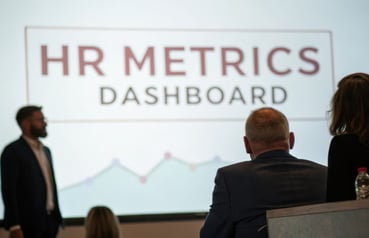 HR teams are still juggling compliance, recruiting, benefits, and payroll, often across systems that may not connect to each other.
In 2026, that’s changing. More businesses are adopting integrated HR platforms and automation to do more with less. It’s not just about new tech - it’s about using it well.
🎯AI-powered tools and real-time data will help employers make smarter decisions, while predictive analytics can flag things like turnover, staffing gaps, and labor costs before they become issues.
➡️ ➡️ READ MORE: How a PEO Prepares You for Growth
AI at Work: Better Together
By 2026, AI won’t just be a tool; it’ll feel more like a team member. (Microsoft even predicts AI will be considered part of your workforce.) The real question won’t be whether you’re using AI, but how you’re using it.
 Research shows employees who use AI report higher productivity and even greater job security. Employers that focus on data quality, transparency, and bias testing won’t just stay compliant, but they’ll build trust, too.
Companies like PwC are already including AI tools in onboarding new hires. From the outset, teams are trained to use artificial intelligence tools in everyday work.
🎯Employers are preparing for what's ahead by investing in role-specific AI training and creating AI policies for the workplace.
Managing Costs When Everything Feels More Expensive
Inflation and rising costs remain top concerns heading into 2026. Small businesses are under pressure to offer competitive pay and benefits while keeping budgets in check. Many are exploring digital care options, alternative funding strategies, and smarter plan designs to control costs without sacrificing coverage.
🎯To strike that balance, employers are:
🔸Using compensation benchmarking data to stay competitive
🔸Leaning on workforce data to plan smarter and boost productivity
🔸Rethinking benefits, especially healthcare, where traditional cost-cutting just isn’t cutting it anymore.
Skills Matter More Than Resumes
 Looking ahead, hiring will be less about degrees and titles and more about what people can actually do.
According to a McKinsey report, by 2030, as many as 12 million U.S. workers may need to transition out of declining roles into higher-paying ones. That’s driving demand for skills, such as digital and AI literacy, problem-solving, and human-centered skills like empathy.
Benefits Shift: From Perks to Real Well-Being
Stress at work isn’t just a personal issue — it’s a productivity one. 76% of employees say stress hurts their performance, and burnout remains widespread due to lean teams and ongoing economic uncertainty.
With leave requests increasing, well-being is a business priority. Employers are focusing on real support, particularly with mental health benefits, workload balance, and flexibility. The 2025 Employer Well-being Strategy Survey shows that investing in well-being results in productivity gains of up to 12%. About three-quarters of employers say well-being programs are central to their healthcare strategy, and many plan to increase spending in this area.
🎯And affordability? That remains a challenge for everyone. As traditional cost-control methods are losing their impact, employers are testing new approaches that focus on outcomes, smarter utilization, and better health plan design.
Compliance: More Rules, Less Room for Error
Compliance isn’t getting easier in the new year. Employers continue to face new and changing federal, state, and local regulations, especially around AI, data privacy, benefits, worker classification, expanding leave laws, new wage & hour rules, and handling DEI efforts.
 Staying compliant now requires ongoing monitoring and expert support, especially if you operate in more than one state.
🎯A few key areas to watch include:
🔸New state AI employment laws🔸SECURE Act 2.0 updates
🔸Mandatory auto-enrollment for new retirement plans
🔸Pay transparency and wage reporting requirements
➡️ ➡️ READ MORE: How to Navigate the Latest Compliance Minefields
Flexibility Evolves (It’s Not Just About Location)
In 2026, flexibility is less about where people work and more about how work gets done.
 Employers are investing in HR tech for flexible work options, while shifting the focus from hours worked to results. That’s where manager training makes all the difference.
And RTO? It's still a hot topic. One-size-fits-all return-to-work policies are falling out of favor. According to Gallup, about 70% of remote-capable employees prefer hybrid or fully remote work, compared to just 30% who want mostly in-office roles.
🎯Instead of blanket RTO mandates, more employers are choosing role-based options for flexibility, especially helpful for women and caregivers who are most often affected by rigid schedules.
What Will Work Look Like in 2026?
 For small and mid-sized businesses, 2026 will bring fast-moving changes in technology, compliance, and workforce expectations. AND exciting new opportunities.
Employers who stay informed and act early will be in a better place to attract the best talent, manage risks, and stay competitive.
As you plan ahead, focus on the trends that support your goals, and consider outsourcing or partnerships to fill any gaps. The most successful businesses won’t wait for change; they’ll prepare for it.
🎯We hope your year ahead is both productive and successful, and the BEST one yet! And if you need help figuring out what’s next, we’re here for you.

About Propel HR. Propel HR is an IRS-certified PEO and a leading provider of human resources and payroll solutions for 25 years. Propel partners with small to mid-sized businesses to manage payroll, employee benefits, compliance and risks, and other HR functions in a way that maximizes efficiency and reduces costs. For more information, visit propelhr.com